Poles and bollards0 / 302 models
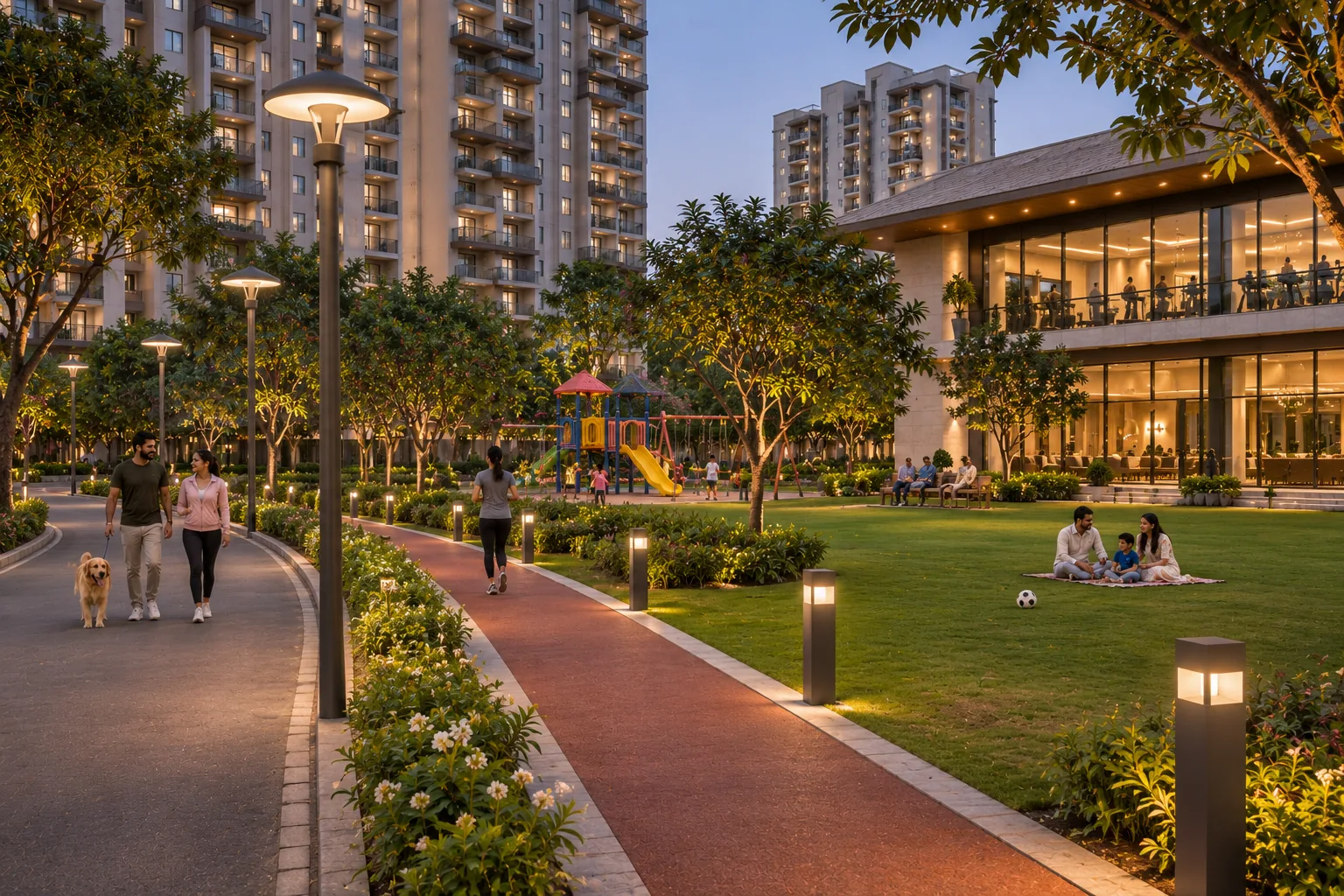
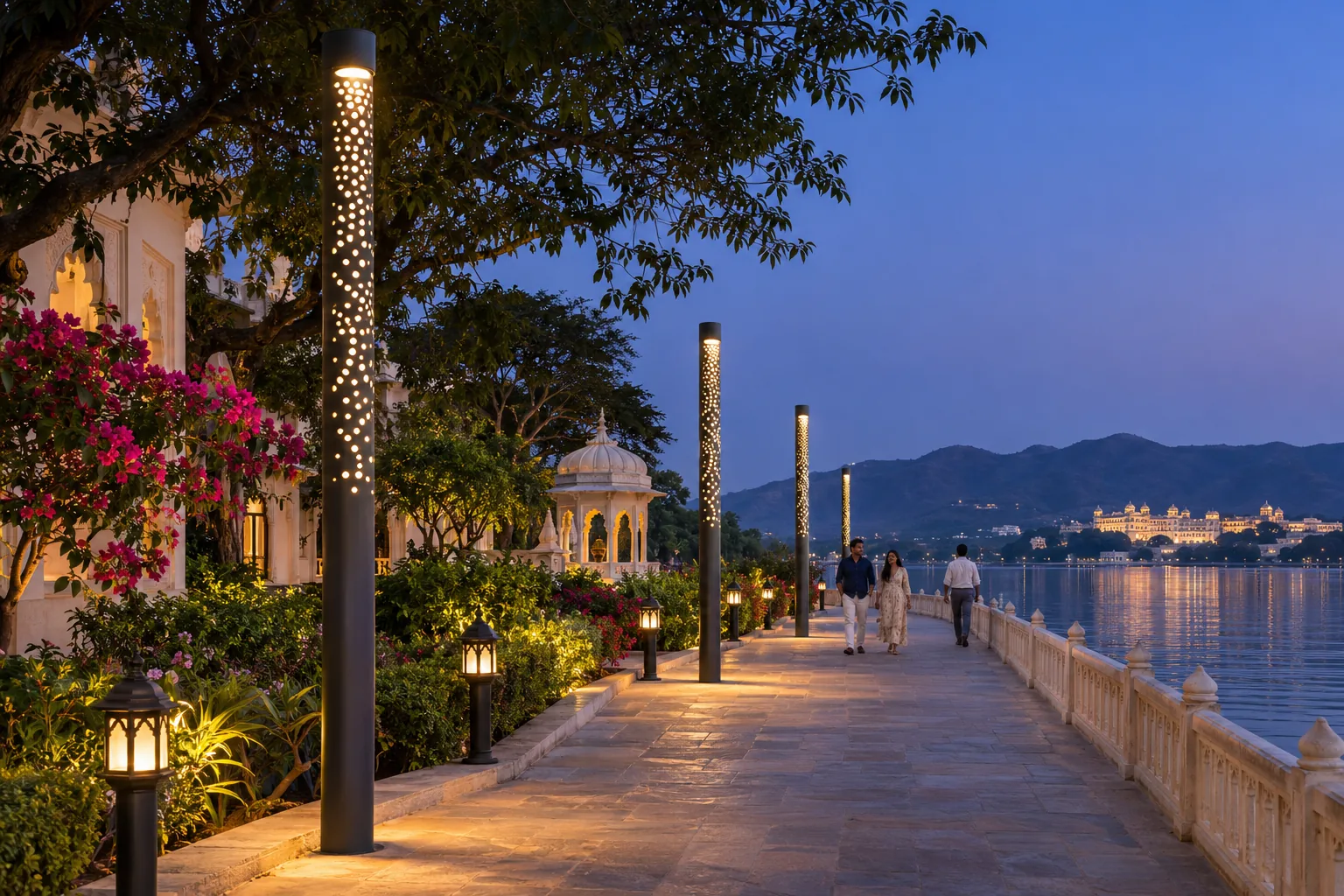
A garden light pole is a post top or lantern pole of about 2.5 to 3.5 m that lights lawns, seating and wider paths with soft, even light, usually set 10 to 15 m apart. In a park it works alongside bollards of 0.6 to 1.0 m on the footpaths and a few feature pieces at gates and focal points. Lower, warmer and better shielded than a street pole, it lights people's way without flooding the trees and the sky.
Before choosing fittings, walk the park on paper and mark how each part is used in the evening.
This map decides where poles go, where bollards go and which areas are switched off late at night.
| Where | Fitting | Height | Typical spacing |
|---|---|---|---|
| Footpaths and jogging tracks | Pathway bollards | 0.6 – 1.0 m | 4 – 8 m |
| Lawns, seating and play areas | Garden post tops | 2.5 – 3.5 m | 10 – 15 m |
| Main walks and gates | Taller lantern poles | Up to 4.5 m | Set by the layout |
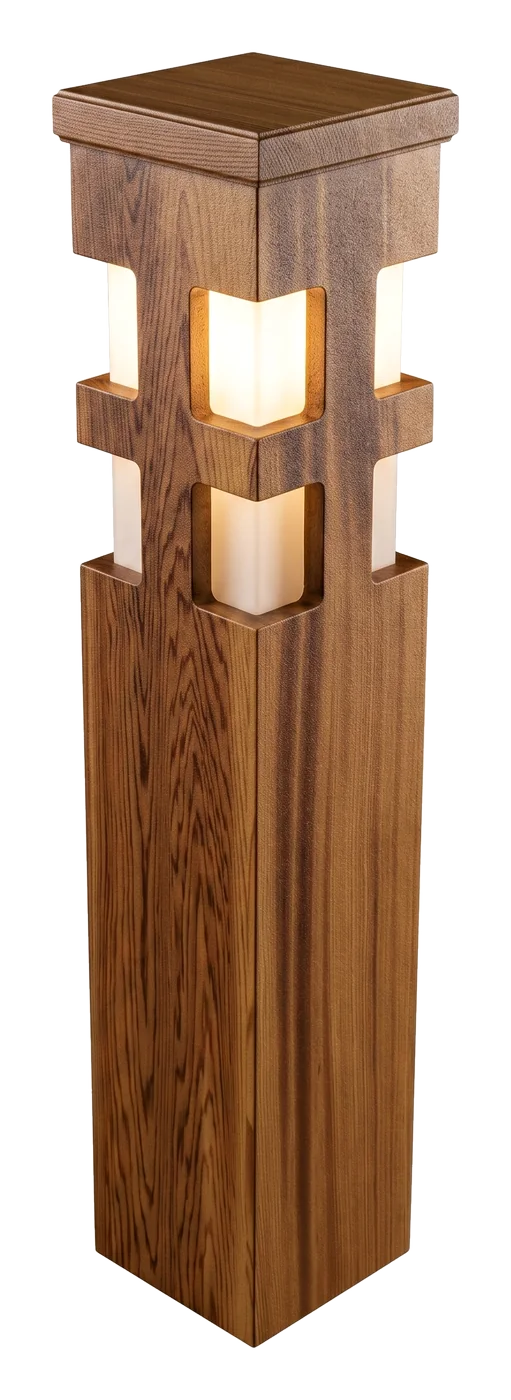
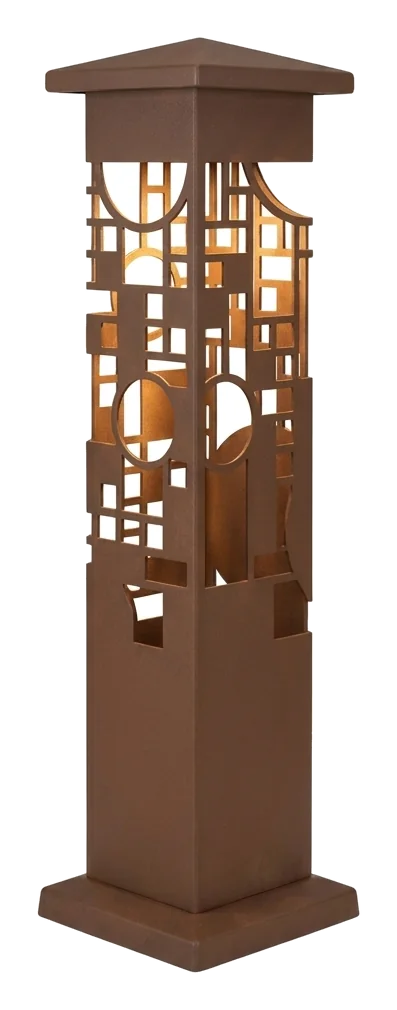
| Focal points | Laser-cut bollards or poles | Set by the design | A few, not a row |
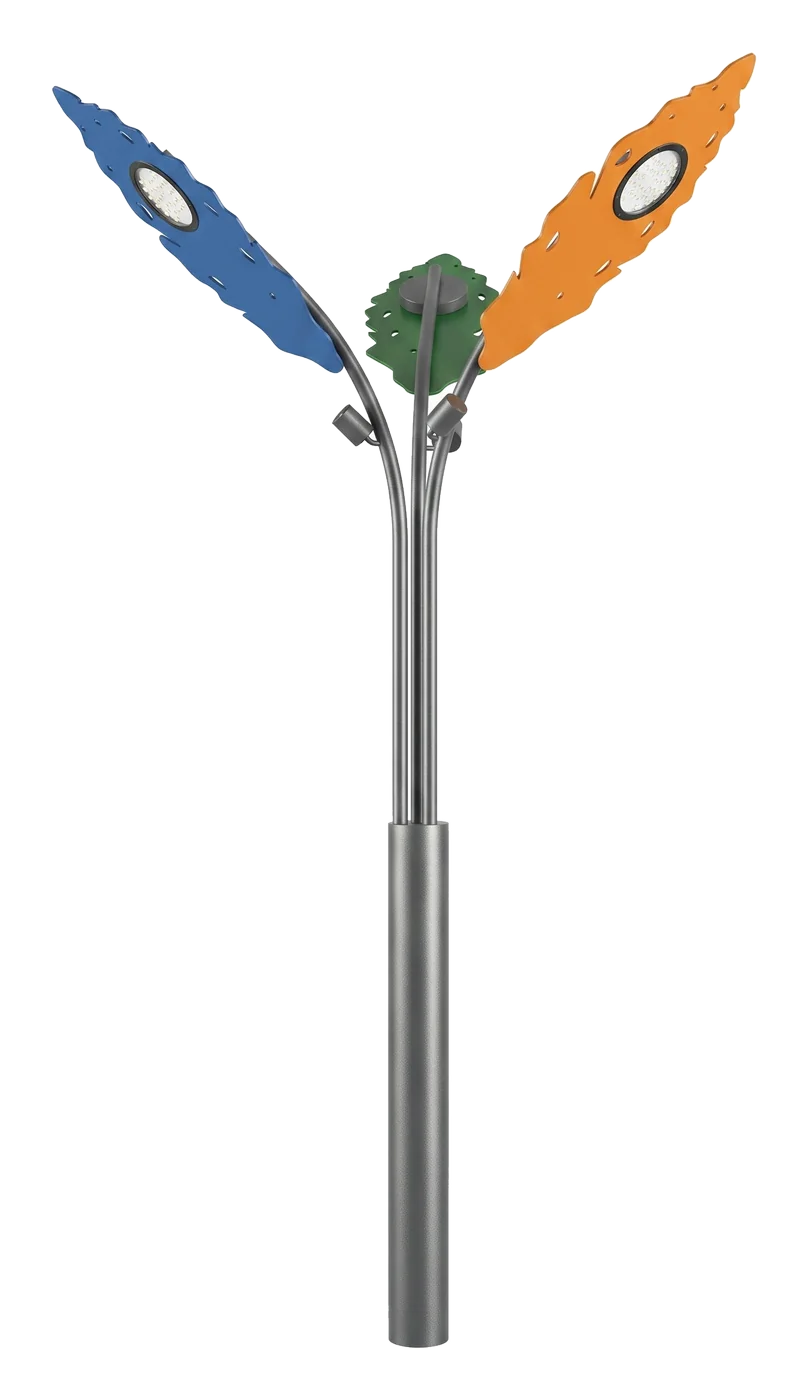
Garden poles from Luminex run from 2 to 4.5 m, with classic lantern heads, scrolled arms and cast details, or leaf and branch designs for a lighter look. They come with single to triple lanterns and clear or frosted glazing. Frosted glass looks softer and hides the LED, which matters in a park where people look straight at the lantern.
Put poles at the edges of lawns and beside seating rather than in the middle of open grass, so the space stays usable and the light falls across it. Post tops that light all round the pole, the symmetric Type V distribution in our lighting guide, suit lawns, courts and play areas.
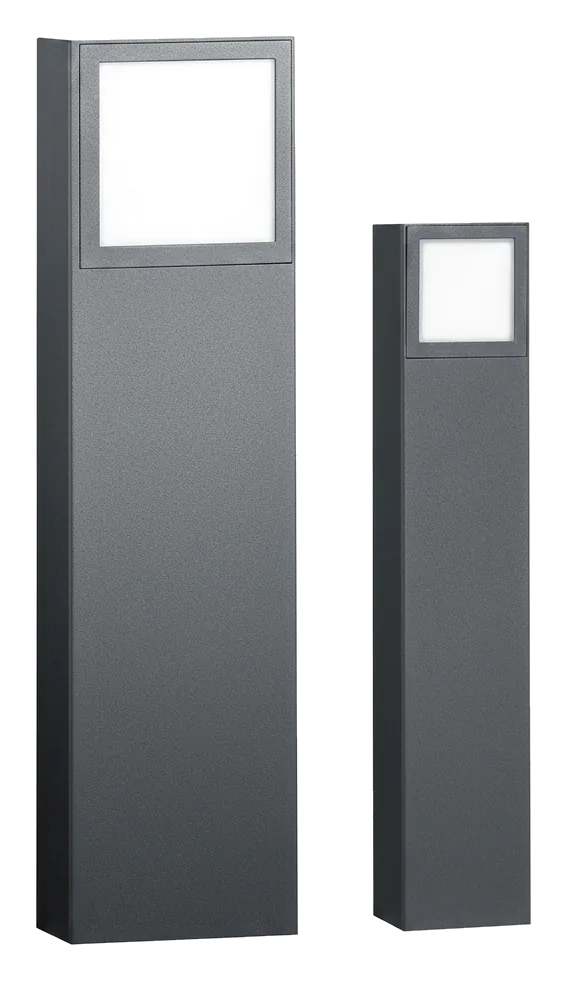
Bollards do most of the work along footpaths. Place one at every junction, step, ramp and bend first, then fill the straight runs at 4 to 8 m. Choose down-light designs that put the light on the path rather than in a jogger's eyes. Our guide to bollard lights covers types, heights and spacing in detail.
Keep features few. A whole park of patterned bollards stops being special, and patterns are lost in dense shrubs.
Our article on garden and landscape lighting explains how to layer light in planted spaces.
Public parks are harder on fittings than private gardens. Specify IP65 as a minimum, because sprinklers and rain reach every fitting, and IK10 diffusers on bollards along busy public routes. Aluminium and galvanised steel suit irrigated beds, where the base stays wet for months. Set bollard bases slightly above soil level on free-draining material, and keep sprinklers from spraying straight at fittings.
For the park's owner, upkeep decides the long-run cost. Keep to a few models, hold spare LED modules and glass for each, and put paths, lawns and features on separate circuits, so feature lighting can be switched off late while paths stay lit.
Ask us anything else when you request a quote.
Garden post tops are commonly 2.5 to 3.5 m tall, spaced 10 to 15 m apart, over lawns, seating and wider paths. Taller lantern poles of up to about 4.5 m suit main walks and gates, while footpaths are better served by bollards of 0.6 to 1.0 m.
Light the routes people use after dark first: walking tracks, play areas, gates and toilets. Use bollards along paths, garden post tops around lawns and seating, and leave dense planting dark. Warm 3000 K light and shielded heads keep glare and sky glow low.
Down-light pathway bollards of 0.6 to 1.0 m, set 4 to 8 m apart, give even light along the track without glare in runners' eyes. Add a bollard at every junction and bend, and keep the colour temperature warm, around 3000 K.
Not if they are specified for it. Choose IP65 as a minimum, bodies in aluminium or galvanised steel, and set sprinkler heads so they do not spray straight at fittings. Keep bollard bases slightly above soil level on free-draining material.
Warm white of about 3000 K suits parks and gardens. It flatters leaves, flowers and stone, feels comfortable to walk under and attracts fewer insects than cooler light. Near lakes and wildlife areas, warmer amber light is gentler still.
Articles that go deeper into heights, spacing, materials and ratings.