Poles and bollards0 / 302 models
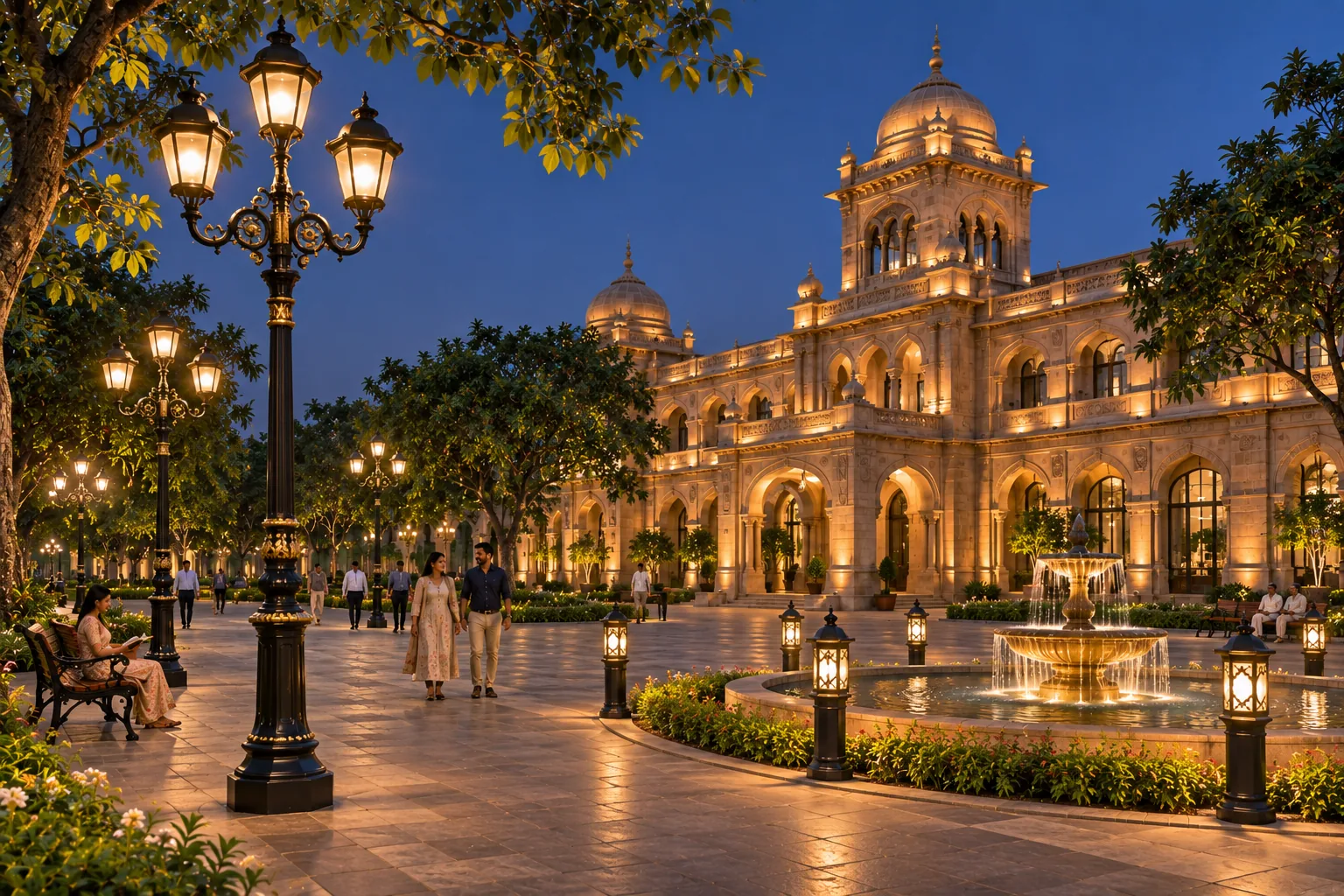
A lamp post is a pole that carries one or more lanterns at a human height, usually 3 to 5 m on streets and plazas and lower in gardens. The term covers everything from ornate Victorian-style posts with fluted shafts, scrolled arms and glazed lanterns to plain modern posts with a simple head. What they share is scale: a lamp post is made to be seen close up by people on foot, so its proportions and details matter as much as its light.
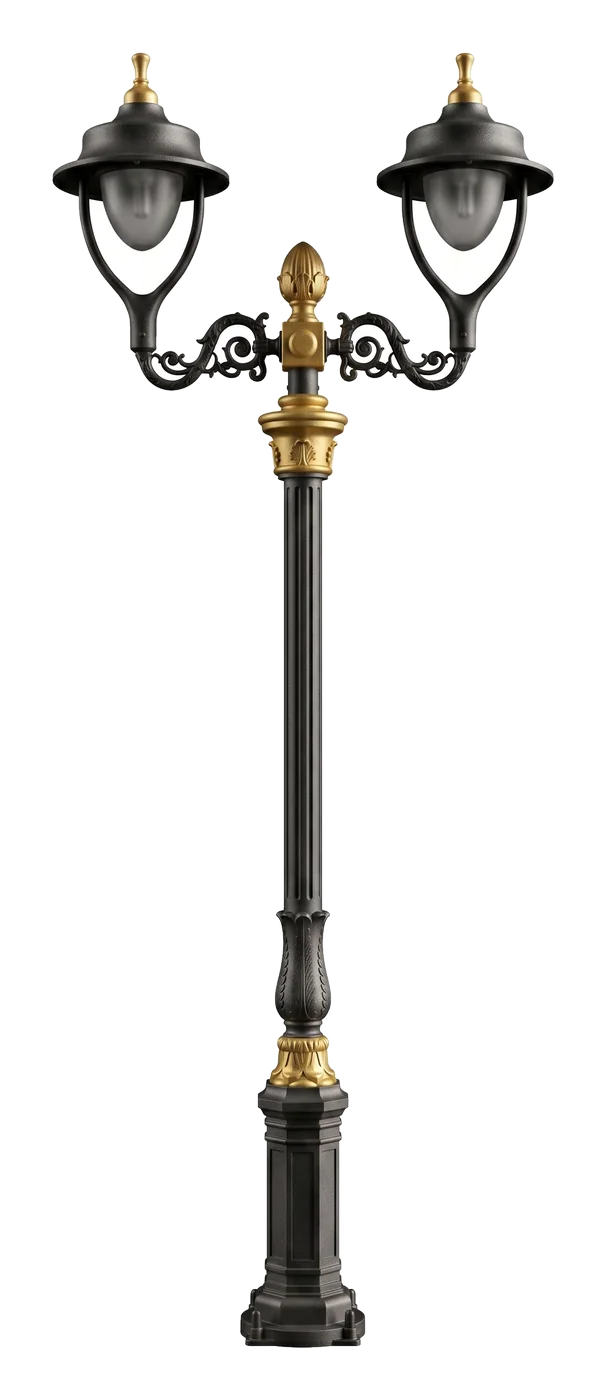
Victorian-style lamp posts follow the pattern of the cast iron gas lamps of the 19th century. These features make one read as Victorian:
Proportion matters more than ornament. A Victorian lantern on a modern square shaft, or a heavy base under a slender lantern, is what makes a scheme look wrong.
| Setting | Lamp post style | Typical height | Luminex range |
|---|---|---|---|
| Heritage streets, civic squares, conservation areas | Victorian-style or heritage posts with lantern or globe heads | 3 – 5 m | Cast iron poles |
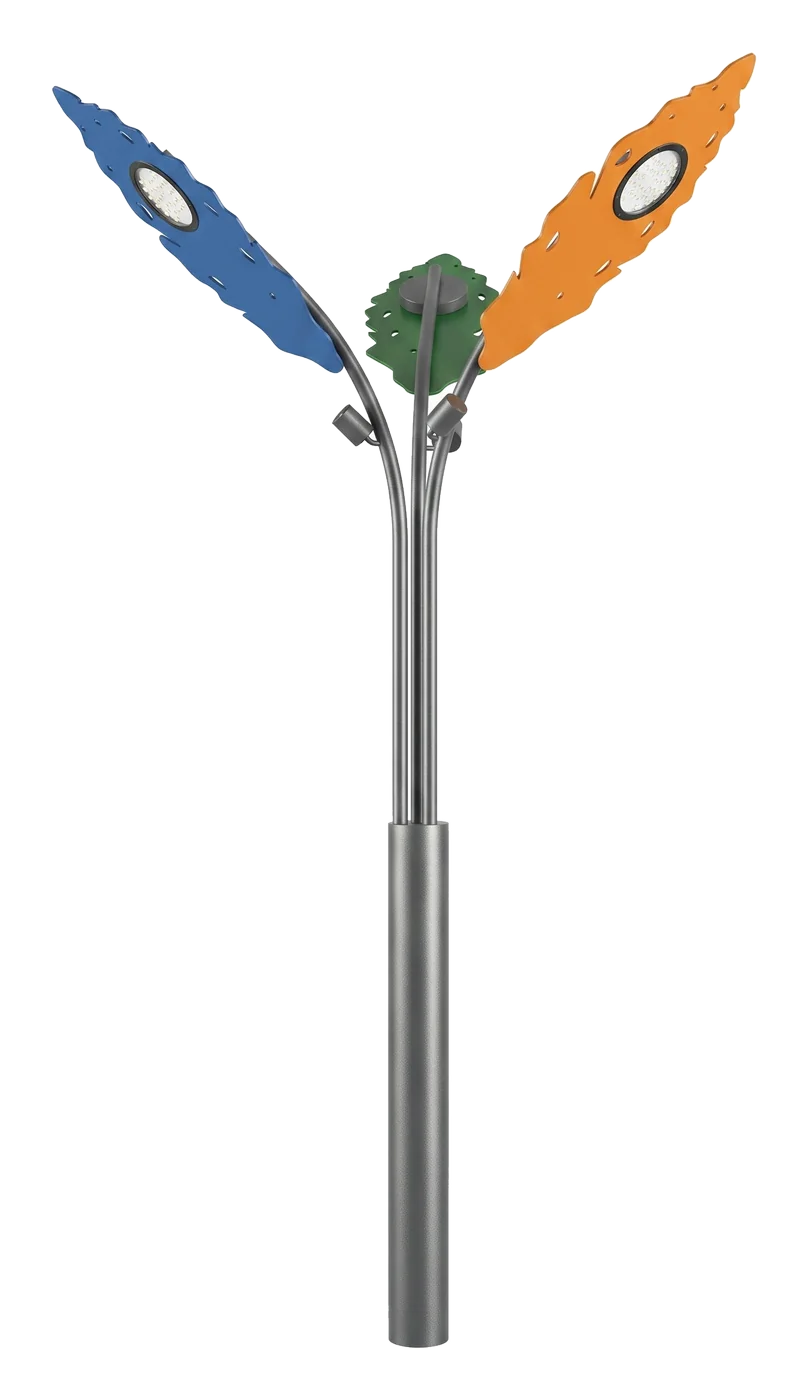
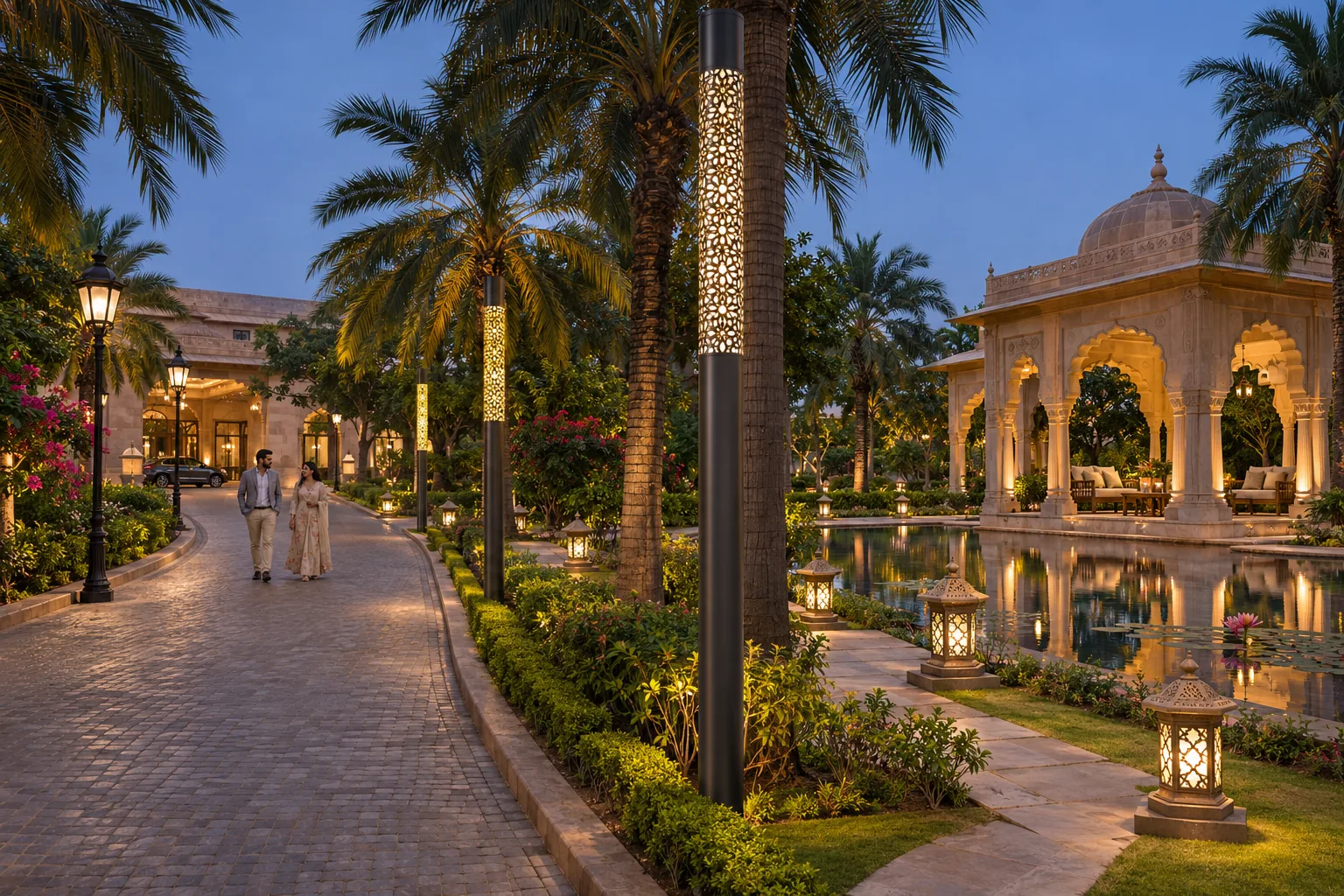
| Gardens, villas and resorts | Lantern posts with scrolled arms, or leaf and branch designs | 2.5 – 3.5 m | Garden poles |
| Temple precincts and palace grounds | Ornate single to triple lantern posts | 3 – 5 m | Cast iron or garden poles |
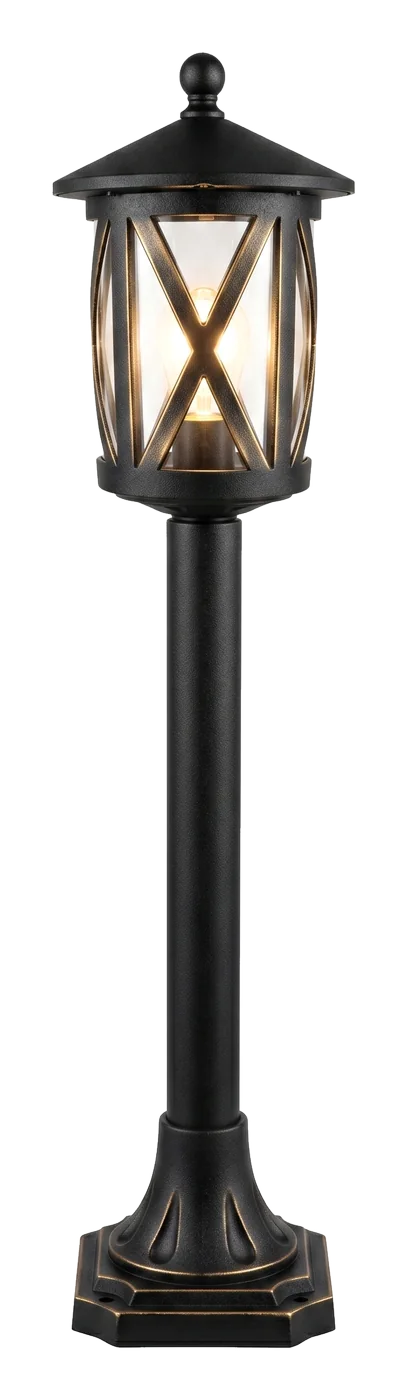
| Paths beside lamp posts | Lantern or globe bollards | 600 – 1100 mm | Aluminium heritage bollards |
Cast iron poles, from 3 to 6 m, have fluted shafts, ornate bases and traditional lantern and globe heads, built on galvanised shafts with cast iron details, with cast nameplates on request. Garden poles, from 2 to 4.5 m, carry classic lantern heads, scrolled arms and cast details, with single to triple lanterns and clear or frosted glazing. Aluminium heritage bollards bring the same lantern and globe heads down to path level.
Solid cast iron gives crisp detail and suits restoration work where the original material matters, but it is heavy and brittle under a sharp blow. For new lamp posts, a galvanised steel shaft dressed with cast details carries the wind load of arms and lanterns better and needs less upkeep. Cast aluminium is about a third of the weight of iron and does not rust, which suits bollards, lighter posts and coastal sites. Our article on heritage and cast iron lamp posts compares the three in detail.
A lamp post should glow, not glare. Put the LED in the lantern roof shining down, or behind frosted glass, so the lantern looks lit rather than full of bright dots. Choose solid roofs and downward optics to keep light out of the sky, and warm white: Luminex lanterns come in 3000 K, 4000 K and 6000 K, and 3000 K keeps the period character.
Surviving lamp posts do not always need replacing. Where a post is structurally sound, its lanterns can take LED retrofit kits, and missing parts can be replicated from surviving pieces. Our services page covers heritage restoration and LED modernisation. Check the base, shaft and foundation bolts for corrosion before deciding.
Mounting heights of 3 to 5 m, spaced 12 to 20 m apart, are common starting points for heritage streets and plazas. Our guide on how to choose decorative light poles covers height, light quality and structure in more detail.
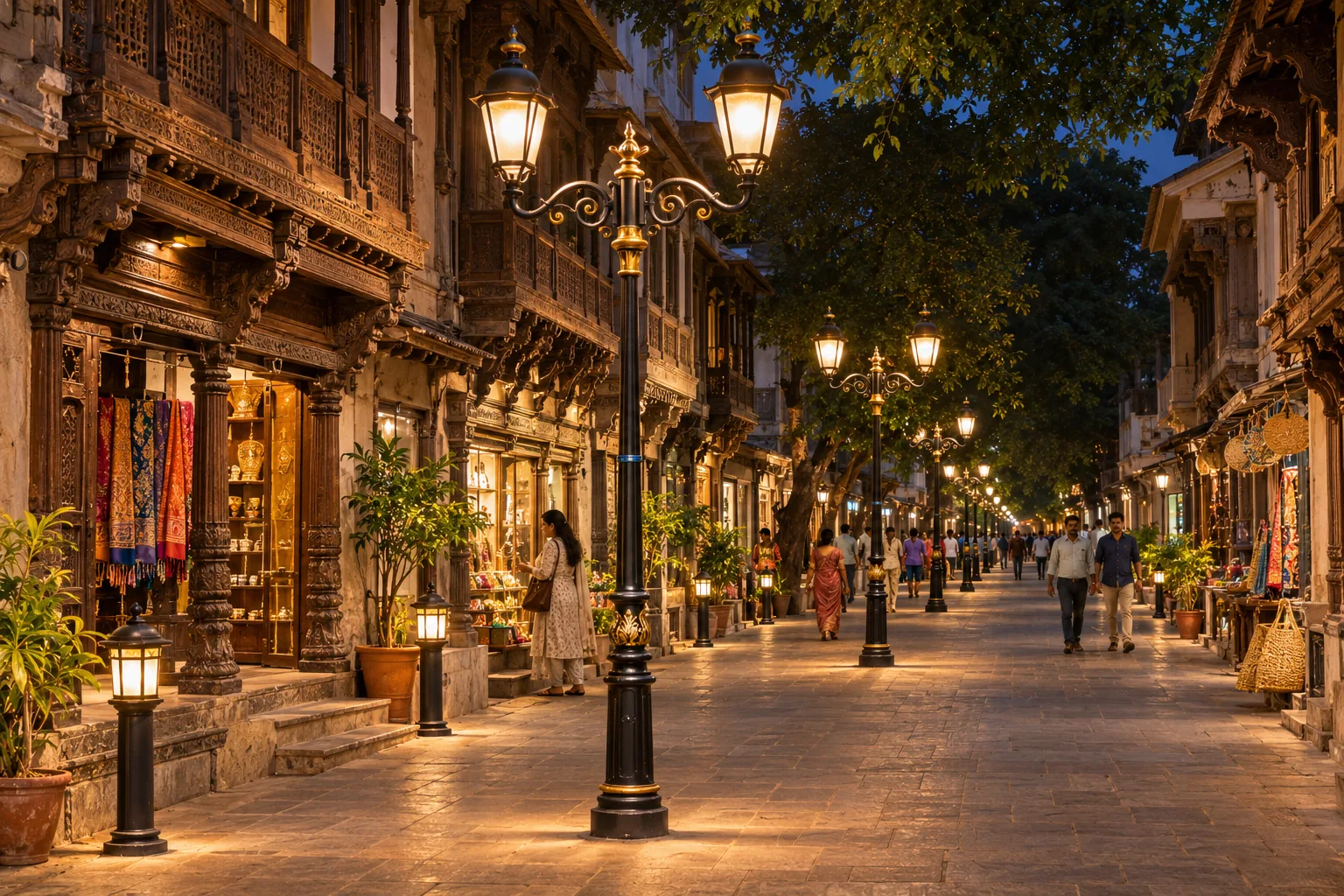
Case study
Ahmedabad, Gujarat
Cast iron poles with twin lanterns and heritage bollards for a pedestrianised market street in a conservation precinct.
Read the case studyAsk us anything else when you request a quote.
A Victorian lamp post follows the style of 19th century cast iron gas lamps: an ornate base, a fluted, tapering shaft, scrolled arms and a glazed lantern with a roof and finial, usually painted black, deep green or bronze.
Lamp posts on heritage streets and plazas are commonly 3 to 5 m tall, spaced 12 to 20 m apart. Garden lamp posts sit lower, at around 2.5 to 3.5 m. The right height depends on the setting and is confirmed by a lighting calculation.
Traditional ones were. Today, most new heritage lamp posts use a galvanised steel shaft with cast iron or cast aluminium details, which keeps the period look with less weight and upkeep. Solid cast iron is kept mainly for restoration work.
Often, yes. If the post is structurally sound, its lantern can be fitted with an LED retrofit kit, so the original column stays in place. Check the base, shaft and foundation bolts for corrosion before deciding.
Black, deep green and bronze are the traditional colours, often with gold highlights on the collars, scrolls and finial. Any RAL shade can be specified to match a local palette or surviving original posts.
Articles that go deeper into heights, spacing, materials and ratings.